
Support
We Provide High-Quality Service And Cooperate Wholeheartedly
certification document
Available certification documents depend on the exact model. Please contact us before ordering, and we will confirm the available documents for your selected machine.
Our Warranty
Our machines typically come with a warranty of at least one year, excluding consumable parts. Specific Warranty terms depend on the final machine configuration and supplier policy. We provide clear warranty information before order confirmation.
The appropriate laser power depends on factors such as material type, thickness, joint design, welding speed, production volume, and whether filler wire is required. Common configurations for handheld fiber laser welders include options ranging from under 1000W to 1500W, 2000W, and higher. We recommend that you do not base your choice solely on power ratings; instead, make your decision by comprehensively evaluating the materials you weld most frequently, their thicknesses, and your specific operating conditions.
A wire feeder is not required for every laser welding application. Tight-fitting joints and suitable thin materials may be welded without filler wire, while wider gaps, thicker materials, aluminum, or applications requiring additional weld material may benefit from automatic wire feeding. The correct wire diameter and feeding configuration should be selected according to the material, thickness, joint design, and welding requirements.
Handheld fiber laser welding normally requires shielding gas to protect the molten weld pool from oxidation and help maintain stable welding quality. Argon and nitrogen are commonly used, depending on the material, weld appearance, process requirements, and operating cost. Gas flow rate and nozzle positioning also affect weld color, spatter, and overall weld consistency, so the gas setup should be matched to the application.
Handheld laser welding can be an effective alternative to TIG or MIG for many suitable metal fabrication, repair, and sheet-metal applications, particularly when higher welding speed, lower heat input, and reduced post-weld finishing are important. However, it is not a universal replacement. Material thickness, joint fit-up, production requirements, operator training, and application standards should be evaluated before changing welding processes.
Joint fit-up has a significant effect on handheld laser welding performance. A tight and consistent joint generally provides more stable penetration and weld appearance, while excessive or inconsistent gaps may require filler wire, different welding parameters, or a different process approach. Before selecting a machine, buyers should consider joint type, gap condition, material thickness, and whether wire feeding will be required.
The required power supply depends on the laser power, cooling system, machine configuration, and destination market. Many handheld laser welding machines are designed for industrial electrical systems such as 220V, while some higher-power configurations may require different electrical specifications. Before ordering, customers should confirm local voltage, frequency, phase, and available electrical capacity to ensure compatibility.
Handheld laser welding requires proper operator training and laser safety procedures before the machine is used in production. Operators should understand the machine controls, welding parameters, shielding gas, protective equipment, emergency procedures, and laser-specific hazards. Depending on the workplace and local regulations, a controlled laser work area, appropriate protective equipment, ventilation, and qualified safety personnel may also be required.
Routine maintenance for a handheld fiber laser welding machine is mainly focused on the welding head, protective lens, nozzle, fiber cable, shielding gas system, cooling system, and general machine cleanliness. Protective lenses and nozzles should be checked regularly and replaced when necessary. Water-cooled machines also require appropriate chiller maintenance and cooling-system checks according to the machine specifications and operating environment.

F1 Laser Welding Machine
Instruction Manual
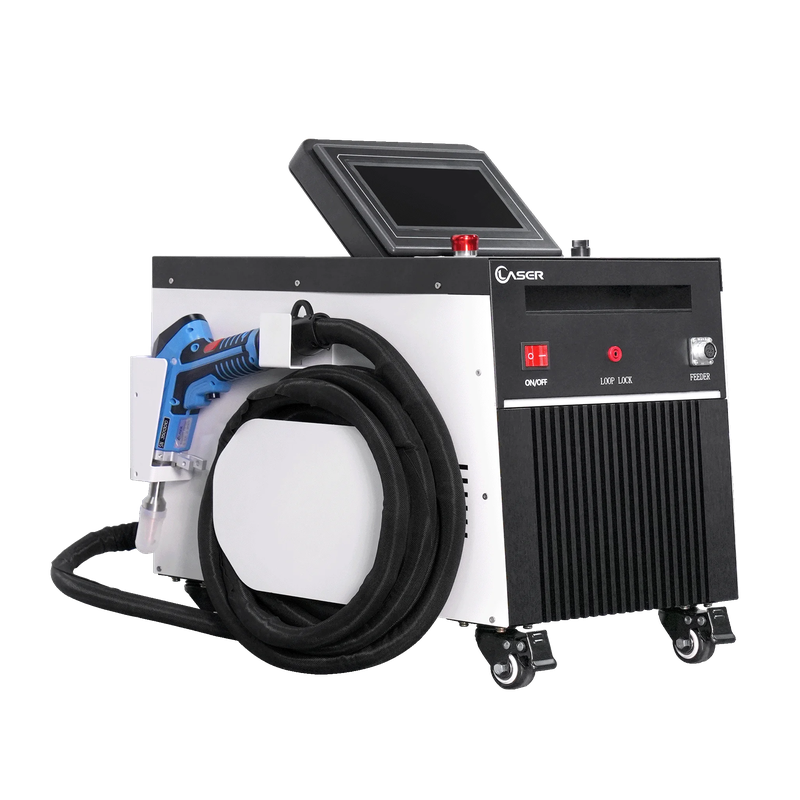
F2 Laser Welding Machine
Instruction Manual

F3 Laser Welding Machine
Instruction Manual

F4 Laser Welding Machine
Instruction Manual

F4S Laser Welding Machine
Instruction Manual

K1 Laser Welding Machine
Instruction Manual
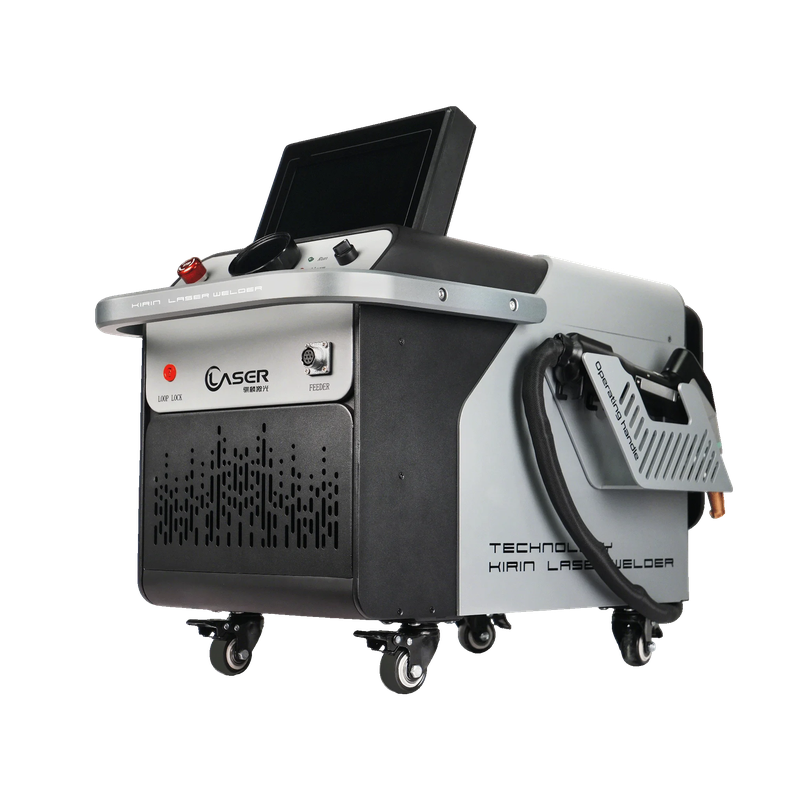
K2 Laser Welding Machine
Instruction Manual
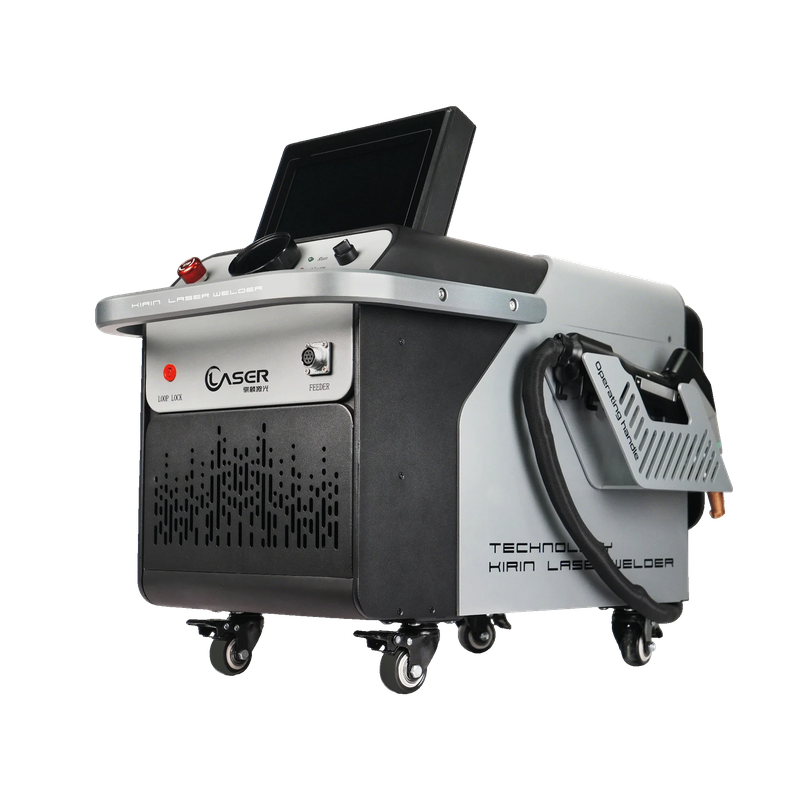
K3 Laser Welding Machine
Instruction Manual

K4 Laser Welding Machine
Instruction Manual

M3 Laser Welding Machine
Instruction Manual

M4 Laser Welding Machine
Instruction Manual

S7 Laser Welding Machine
Instruction Manual