


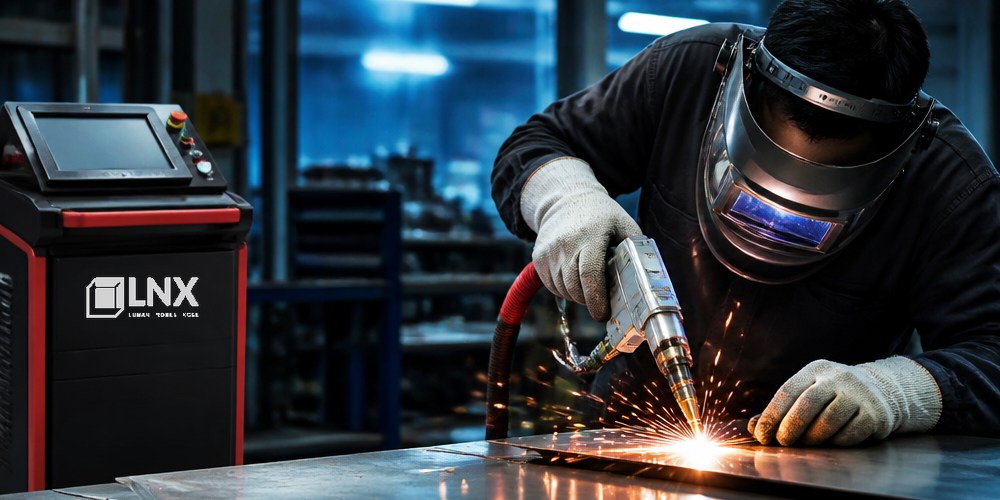

Handheld Laser Welding Cost: The 7-Part TCO Framework 2026
Most buyers compare sticker prices. Smart buyers compare cost per accepted meter. Our 7-part TCO framework for handheld laser welding covers installation, labor, energy, consumables, maintenance, rework, and safety—so you can evaluate laser vs. TIG with real numbers instead of sales claims.
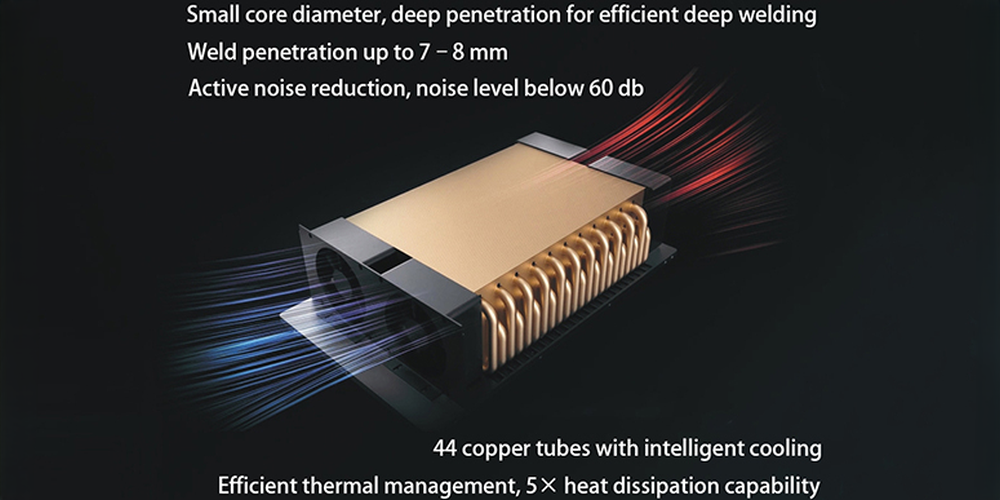
Handheld Fiber Laser Welding Machine: Wire Feeder Systems—Single, Double, and Quad Configurations Explained
The wire feeder is not an accessory—it is a process-critical subsystem. This guide explains single-wire, stepper dual-wire, and quad-wire configurations for handheld laser welding: where each excels, where it fails, and how to match the right feeder to your actual joint geometry instead of the brochure’s feature list.
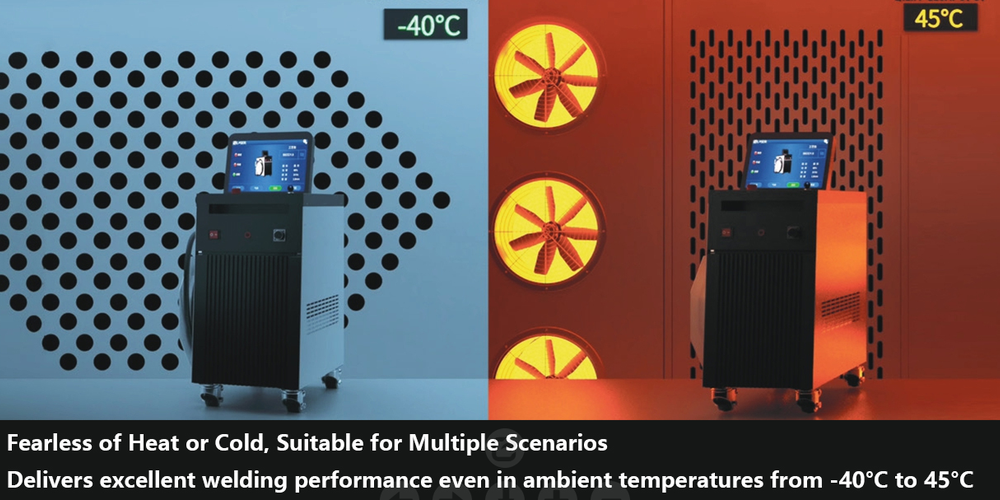
Handheld Laser Welding: Matching Machine Power to Real Processing Scenarios
Stop picking power ratings first. This guide maps real LNX machines—from 350W K1 to 3000W S7—against material thickness, feature tiers, and duty cycles. Learn why 800W M3 beats 1600W F4 for fish-scale work, and when water cooling becomes mandatory.

Handheld Fiber Laser Welding vs. TIG Welding
The 5 technical differences reshaping fabrication: laser welding delivers 2-10x speed, eliminates grinding, flattens training to hours, cuts energy 80%, and shrinks distortion. Backed by operating cost data, real shop examples, and a clear TIG-or-laser decision matrix.
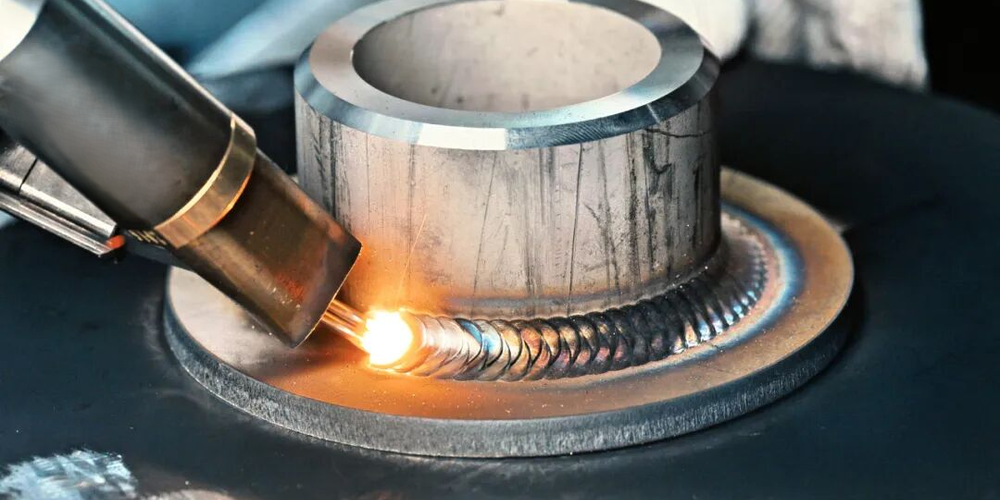
Introduction to the working principle of laser welding and related information
Introduction: The Welding Revolution You Can Hold in Your HandWalk into any modern metal fabrication shop today, and you are likely to ...

How to choose between air cooling and water cooling for a handheld fiber laser welding machine based on the operating conditions and the target object being welded?
How to choose between air cooling and water cooling for a handheld fiber laser welding machine based on the operating conditions and the target object being welded?
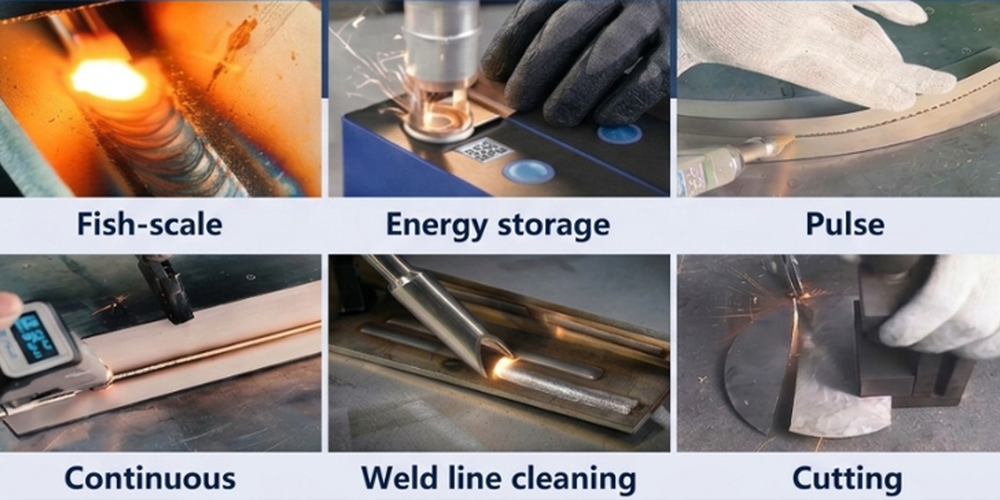
In which work scenarios can a handheld fiber laser welding machine improve efficiency and save labor?
In which work scenarios can a handheld fiber laser welding machine improve efficiency and save labor?