Introduction to the working principle of laser welding and related information

0
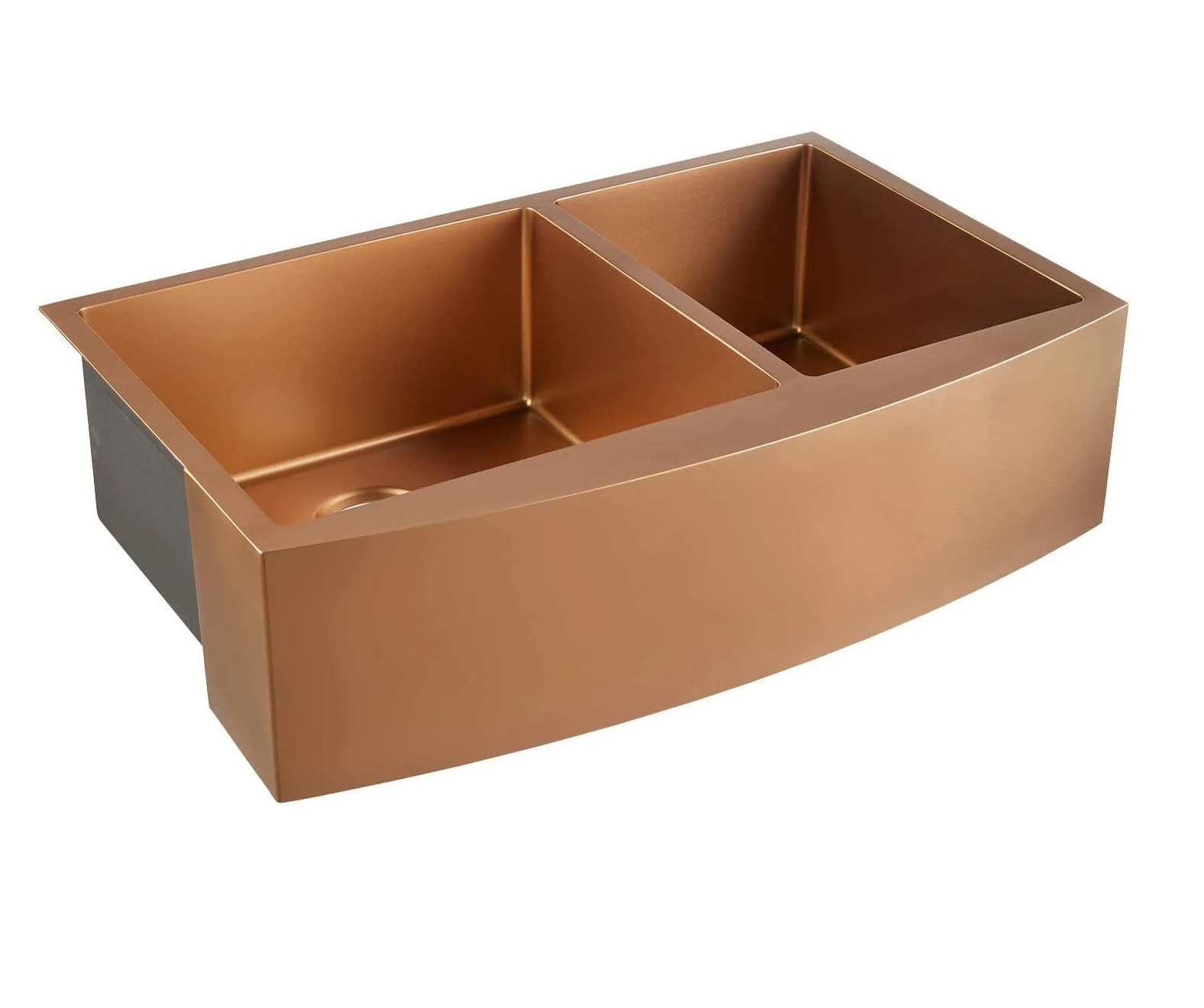
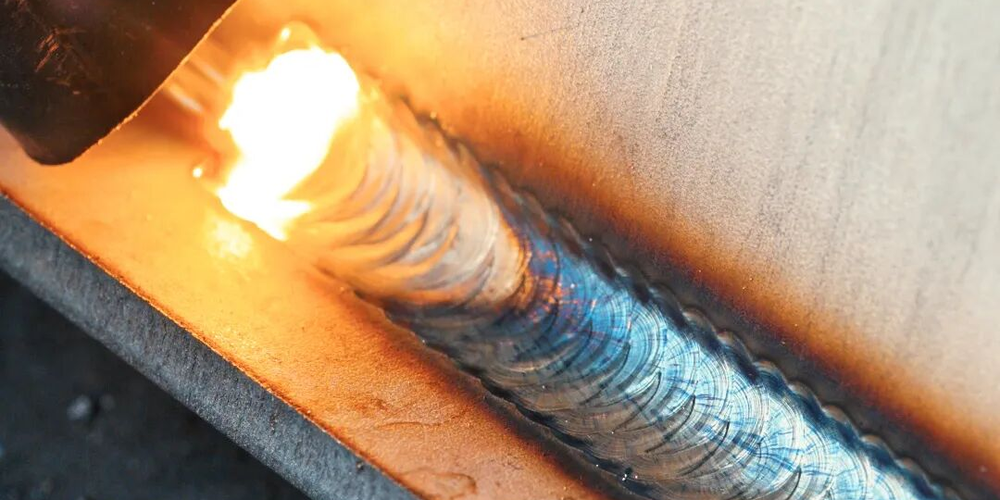
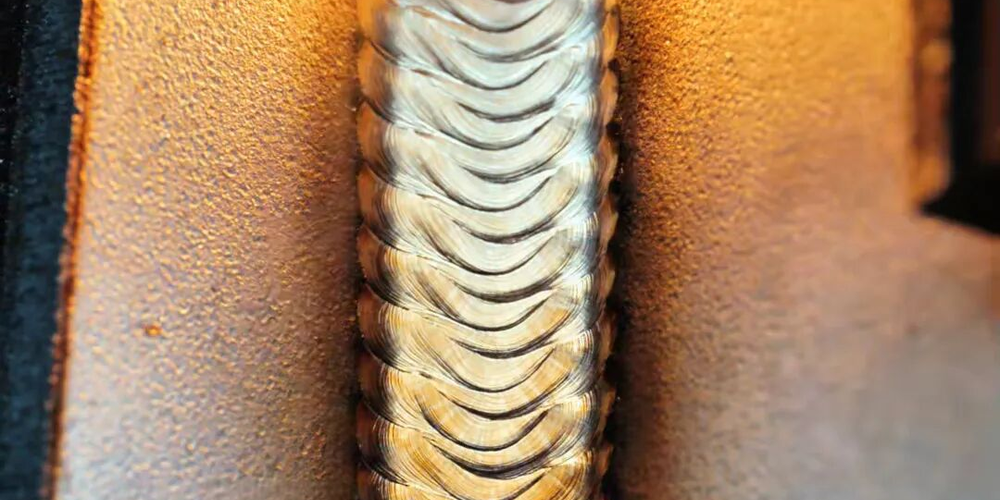
Exquisite Fishscale Welding Effects

Introduction: The Welding Revolution You Can Hold in Your Hand

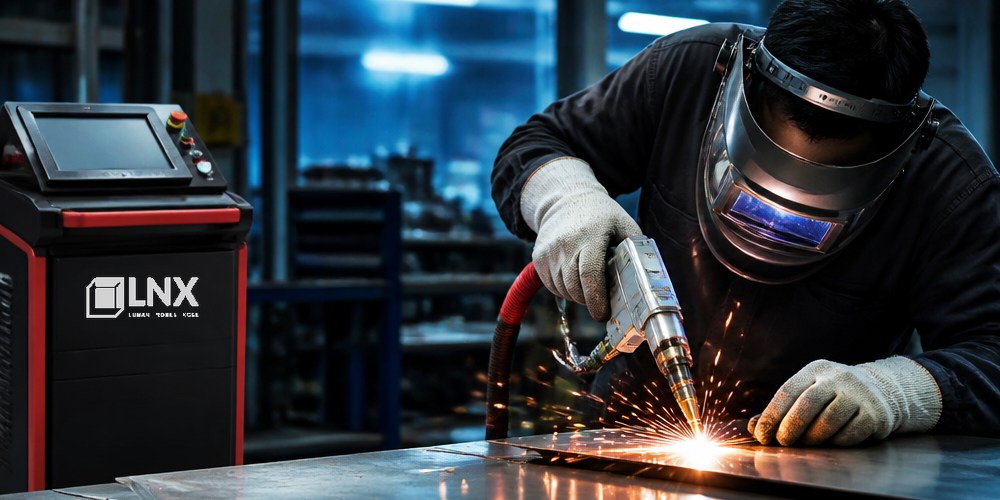
Walk into any modern metal fabrication shop today, and you are likely to see something that would have seemed impossible a decade ago: an operator casually holding what looks like a futuristic ray gun, effortlessly welding stainless steel sheets together with a brilliant beam of light. No bulky stationary equipment, no years of certified welder training, no grinding and polishing afterward. Just clean, precise, high-speed welds — made by hand.

This is handheld fiber laser welding, and it is reshaping the metal fabrication industry at an astonishing pace. By transmitting high-power laser energy through a flexible optical fiber to a lightweight handheld welding head, these machines combine the precision and efficiency of industrial laser welding with the freedom and simplicity of manual operation. The result is a technology that welds 2 to 10 times faster than traditional TIG or MIG welding, produces aesthetically flawless seams with heat-affected zones under 1 millimeter, and requires only days of training to master.
But how does this technology actually work? What happens inside the machine when you pull that trigger? In this guide, we will break down the complete working principles of handheld fiber laser welding — from the quantum physics of the fiber laser itself, through the intense thermal dynamics at the weld pool, to the engineering of every component that makes it all possible.

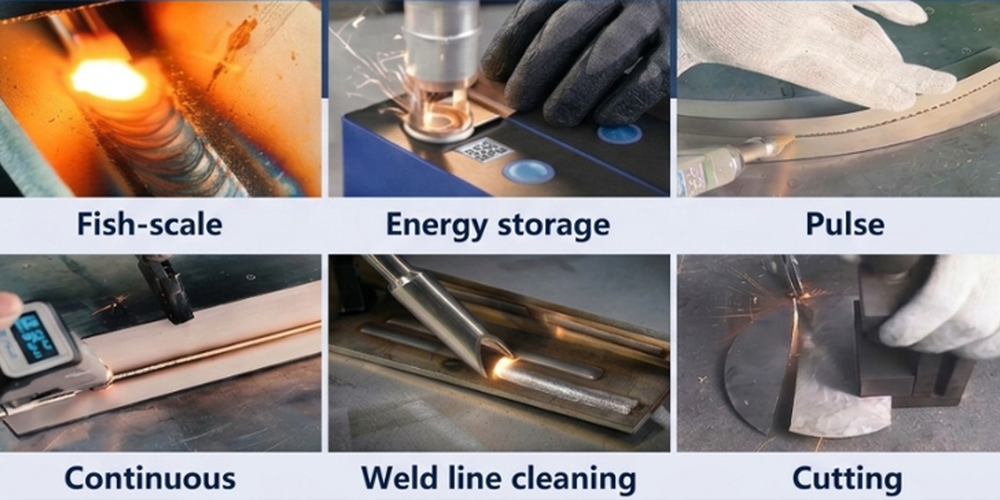
Everyday Applications of Laser Welding

1. The Fiber Laser: Where It All Begins

1.1 What Makes a Fiber Laser Different

At the heart of every handheld welding machine is a fiber laser — a device that might seem deceptively simple compared to the bulky CO2 gas lasers or YAG crystal lasers of previous generations, yet represents a fundamental leap in laser technology. The key insight is right in the name: the gain medium is an optical fiber, specifically a silica fiber doped with ytterbium ions (Yb3+).

This design choice has profound consequences. Because the laser light propagates within the fiber core itself, the beam quality factor (M2) approaches the theoretical limit of 1, producing a focal spot measured in tens to hundreds of micrometers. The electro-optical conversion efficiency exceeds 30%, meaning roughly one-third of the electrical power input becomes usable laser energy — a stark contrast to the ~10% efficiency of CO2 lasers and the ~3% of YAG lasers. And because the fiber’s surface-area-to-volume ratio is enormous, heat dissipates so efficiently that high-power output requires no complex cooling infrastructure.

1.2 The Four-Step Stimulated Emission Process

The laser generation process is a beautiful demonstration of quantum mechanics in action. It unfolds in four precisely orchestrated steps:

  1. Pump Excitation: Semiconductor laser diodes emit pump light (at 915nm or 976nm wavelength), which is coupled into the doped fiber through a combiner. The Yb3+ ions in the fiber absorb these pump photons and jump from their ground state to an excited energy level.
  2. Population Inversion: The excited ions do not stay there long. They rapidly undergo non-radiative relaxation down to a metastable state — the upper laser level. Here, they accumulate, creating a population inversion: more ions in the upper state than the lower state. This is the prerequisite for laser action.
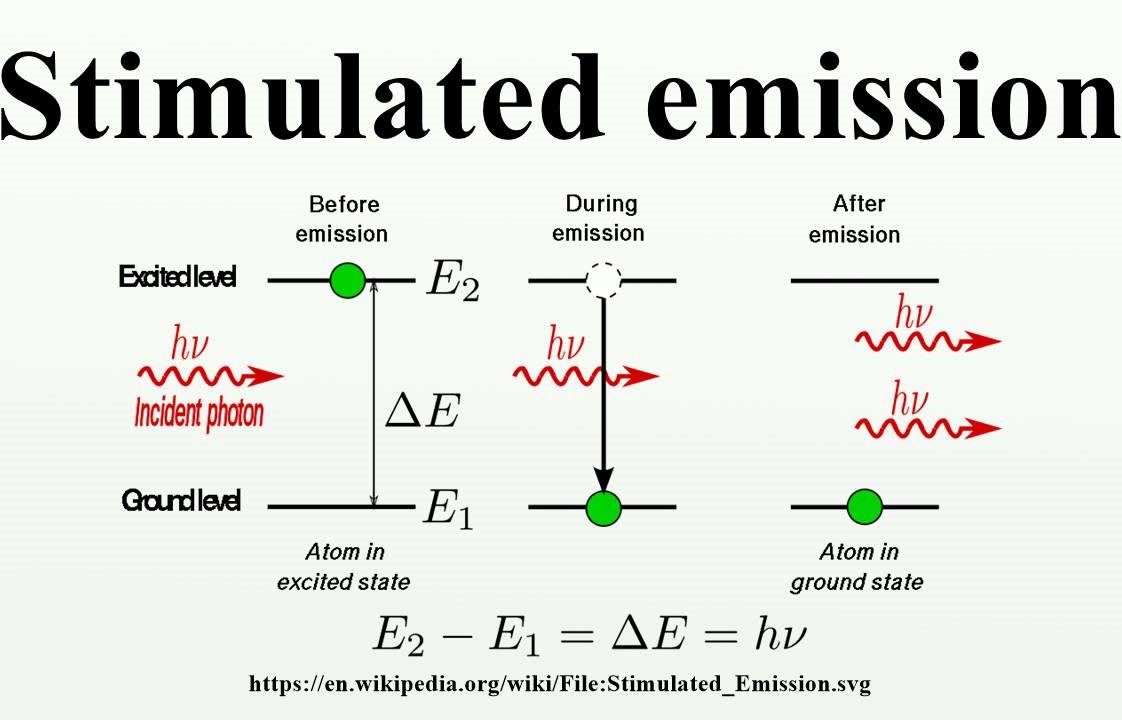
  3. Stimulated Emission: When a passing photon with exactly the right energy (corresponding to the gap between the upper and lower laser levels) encounters an ion in the metastable state, it triggers stimulated emission. The ion drops to the lower level, releasing a new photon that is an exact clone of the triggering photon — identical in frequency, phase, direction, and polarization. One photon becomes two, two become four, and the process cascades.
  4. Resonant Oscillation and Output: This amplified light bounces back and forth between two fiber Bragg gratings (FBGs) inscribed at the ends of the doped fiber, which act as mirrors forming a resonator cavity. With each pass, more photons are generated. When the optical gain exceeds the cavity losses, a coherent beam of continuous-wave laser light at approximately 1080nm emerges from the low-reflection FBG — the output coupler.
Stimulated emission

Key Takeaway: The fiber laser’s elegance lies in its simplicity. The fiber is simultaneously the gain medium, the beam guide, and the heat dissipator. No external mirrors to align, no crystal to cool, no gas to replenish — just a strand of doped glass doing all the work.

2. The Physics of Laser Welding

2.1 When Light Meets Metal

Generating the laser is only half the story. The other half is what happens when that focused beam of 1080nm infrared light strikes a metal surface. The metal absorbs the photon energy and converts it almost instantaneously into heat. What follows depends critically on one variable: power density.

At lower power densities (roughly 10^5 to 10^6 W/cm2), the metal surface heats up to its melting point but stops short of boiling. Heat conducts inward through the metal, creating a broad, shallow melt pool with a semicircular cross-section. This is called heat conduction welding — it produces smooth, attractive welds but with limited penetration, typically under 1mm. It is ideal for thin sheets and cosmetic applications.

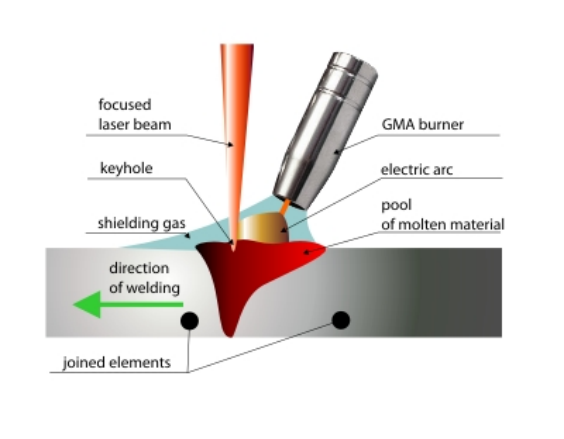
Crank up the power density beyond 10^6 W/cm2, however, and something dramatic happens. The surface reaches the boiling point so quickly that metal vapor erupts, generating a recoil pressure that drives the molten metal downward. A slender, deep cavity forms — the keyhole. The laser beam plunges into this keyhole, reflecting multiple times off its walls, each bounce depositing energy deeper into the material. As the beam moves forward, molten metal flows in behind to fill the keyhole and solidifies into a weld seam with a depth-to-width ratio that can exceed 5:1.

Schematic Diagram of Laser Welding Principles

Why keyhole welding matters: For handheld fiber laser welders operating at 1000W to 3000W, keyhole mode is the primary operating regime. It delivers deep penetration, narrow heat-affected zones, and high welding speeds — exactly what fabricators need.

2.2 The Wobble Advantage

Here is where handheld welding gets clever. A stationary or simply-translated laser beam would require pinpoint accuracy — something impossible when a human hand is guiding the torch. The solution is the wobble welding head, which uses two high-speed galvanometer-driven mirrors to oscillate the laser beam along a programmable trajectory: circular, figure-8, or linear patterns, at frequencies of tens to hundreds of Hertz.

This oscillation effectively widens the weld seam, sweeping the keyhole back and forth across the joint. The benefits are threefold. First, the weld appearance improves dramatically — the wider, more uniform melt pool produces surfaces that rival argon arc welding in visual quality. Second, the fault tolerance increases significantly; fit-up gaps and tracking deviations that would ruin a standard laser weld are simply absorbed by the oscillating beam. Third, by adjusting the oscillation width and frequency, the operator can adapt to different material thicknesses and joint configurations without changing hardware.

3. Inside the Machine: System Architecture

A handheld fiber laser welding machine is not a single device but a carefully integrated system of seven subsystems, each playing a critical role. Understanding how they work together helps explain both the capabilities and the limitations of the technology.

3.1 The Laser Source

The fiber laser source is the beating heart of the system. In handheld welding machines, it typically produces continuous-wave output at approximately 1080nm, with power ratings ranging from 1000W for entry-level models to 3000W for heavy-duty applications. The laser incorporates built-in power monitoring and feedback control to maintain stable output regardless of thermal drift or component aging.

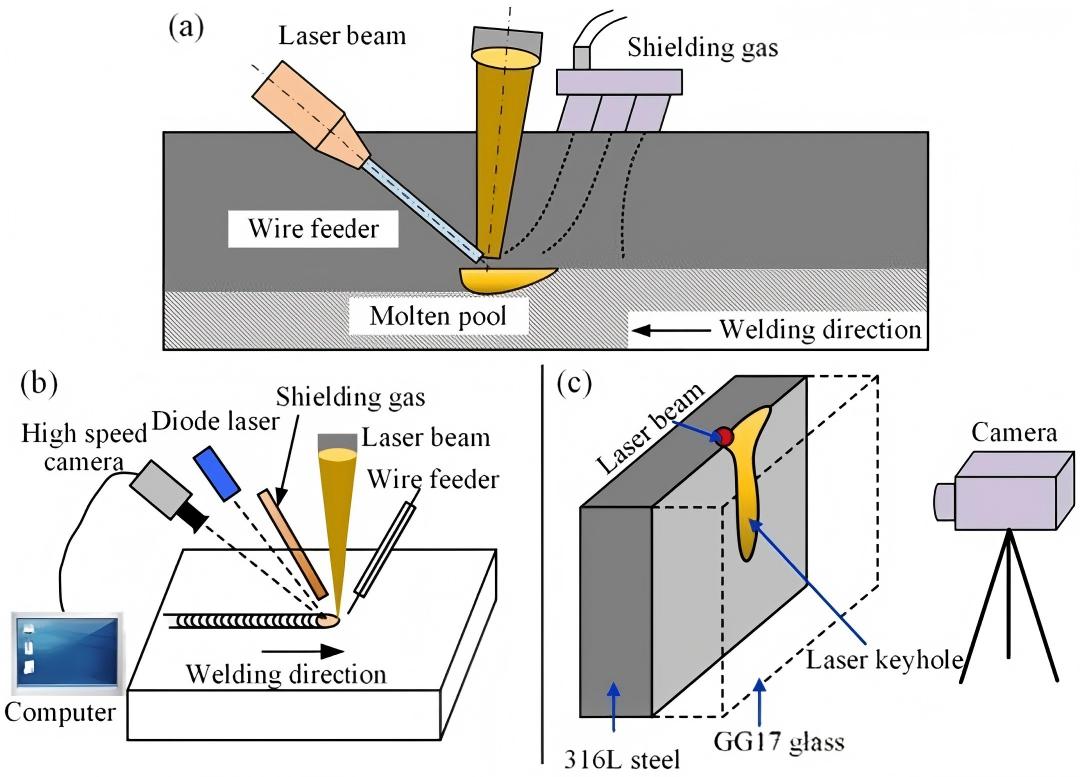
Schematic Diagram of Laser Welding Principles

3.2 Fiber Transmission

The laser beam travels from the source to the welding head through an armored flexible fiber — typically a single-mode fiber with a core diameter of 10 to 25 micrometers, protected by a metal armor layer. This fiber is typically 3 to 10 meters long, giving the operator freedom to move around large workpieces. The ability to deliver high-power laser energy through a flexible fiber is, quite literally, what makes handheld laser welding possible.

3.3 The Handheld Wobble Welding Head

This is the component the operator actually holds. Inside its ergonomically designed housing are four critical optical elements: a collimation lens group that converts the divergent beam from the fiber into a parallel beam; the wobble galvanometer system (two high-speed motorized mirrors for X and Y axis beam deflection); a focusing lens group that concentrates the beam to a microscopic spot on the workpiece; and a protective window that isolates the internal optics from welding spatter. The head also features a trigger-style emission switch with safety lockout.

3.4 Control System

The control system is the brain that coordinates all subsystems. It manages laser power (stepless from 0 to 100%), wobble mode selection and parameters, beam on/off timing (preheat and gas lag delays), wire feed synchronization, and a comprehensive safety interlock network that monitors fiber connection integrity, protective window temperature, and cooling flow. Modern welding heads often feature an integrated LCD touchscreen for on-the-fly parameter adjustment.

3.5 Cooling: Air vs. Water

All that power generates significant heat, and the laser and optics must be kept within safe operating temperatures. Two cooling strategies are employed, and the choice between them largely defines the machine’s character:

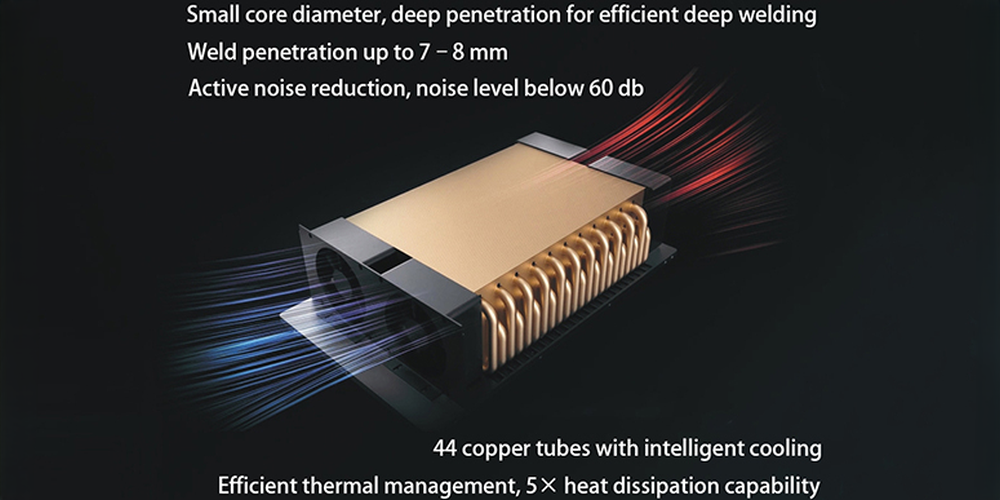
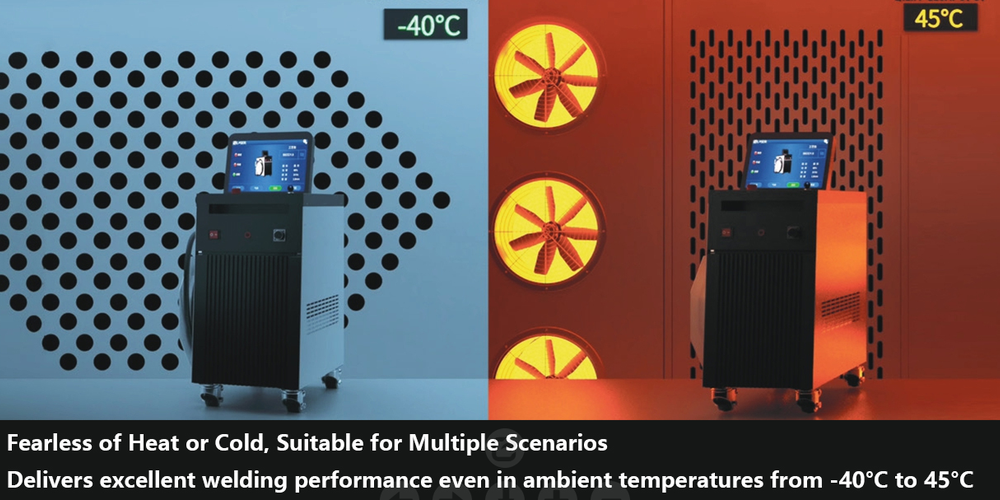
  • Air-Cooled: Uses heat sinks and forced-air fans. Compact, lightweight, and self-contained — no external water connection needed. Ideal for machines up to 1500W. The trade-off is limited cooling capacity; in high-ambient-temperature environments, the duty cycle may need to be reduced to prevent overheating.
  • Water-Cooled: Employs an industrial chiller circulating coolant through the laser and optics. Delivers robust, precise temperature control for machines of 2000W and above, enabling continuous full-power welding for extended periods. The cost is size and weight — the chiller adds bulk and limits mobility.

    3.6 Shielding Gas and Wire Feed

    Two additional subsystems complete the picture. Shielding gas — typically argon or helium, sometimes nitrogen — is fed coaxially through the welding nozzle. It serves a triple purpose: displacing air to prevent oxidation, suppressing the plasma plume that forms when metal vapor ionizes under high-power laser irradiation, and protecting the internal optics from spatter. An optional wire feed system can be added for applications requiring gap filling, buildup repair, or specific alloy compositions in the weld.

    4. Why It Wins: Technical Advantages

    The advantages of handheld fiber laser welding over traditional arc welding are not marginal improvements — they are transformative. The data speaks for itself:

    Dimension

    Handheld Fiber Laser

    Traditional TIG/MIG

    Welding Speed

    2 to 10 times faster

    Baseline

    Heat Input

    Extremely low, HAZ < 1mm

    High, HAZ several mm

    Weld Quality

    Smooth, minimal grinding needed

    Ripple patterns, polishing required

    Deformation

    Minimal, even on thin sheets

    Significant warping, burn-through risk

    Operator Training

    3 to 5 days to proficiency

    Certified welder, months to years

    Consumables

    Only shielding gas and protective windows

    Wire, tungsten electrodes, nozzles

    Material Range

    Steel, aluminum, copper, titanium, dissimilar metals

    Limited by welding wire and process

    Consider what this means in practice. A fabrication shop that previously needed a certified welder for every joint can now train any worker to produce consistently high-quality welds in under a week. Welds that required extensive post-weld grinding and polishing now come out smooth enough to ship as-is. Thin stainless steel sheets that would warp or burn through under arc welding can be joined with virtually no distortion. And the range of weldable materials extends far beyond what traditional processes can handle — including challenging combinations like copper-to-aluminum or titanium-to-stainless steel.
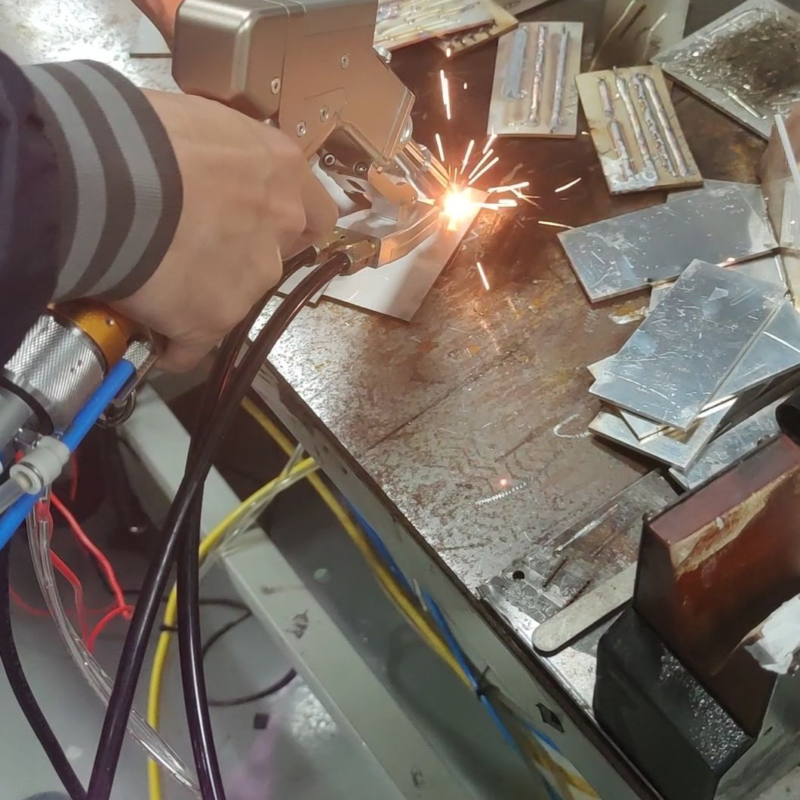
5. Where It Shines: Application Fields

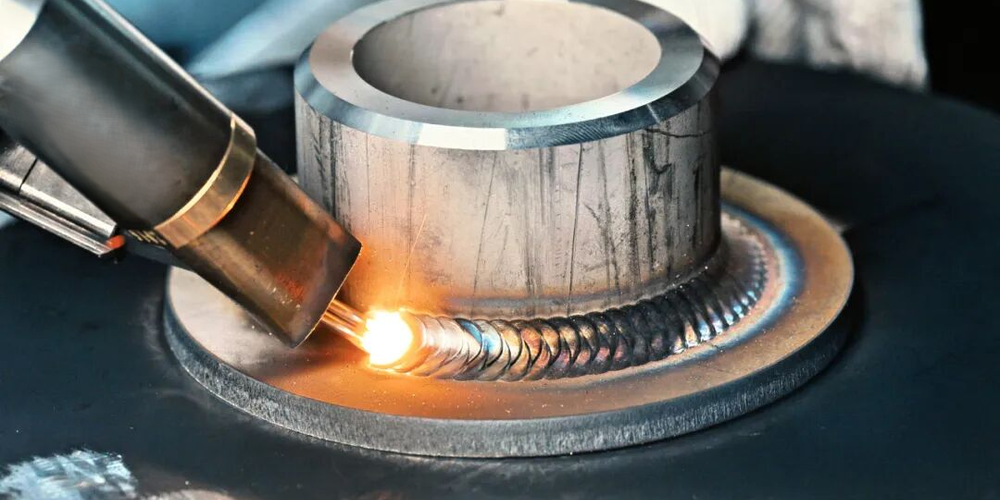
The combination of speed, precision, flexibility, and ease of use has opened doors across a remarkably diverse range of industries. Here are some of the most impactful applications:

5.1 Sheet Metal Fabrication and Enclosures

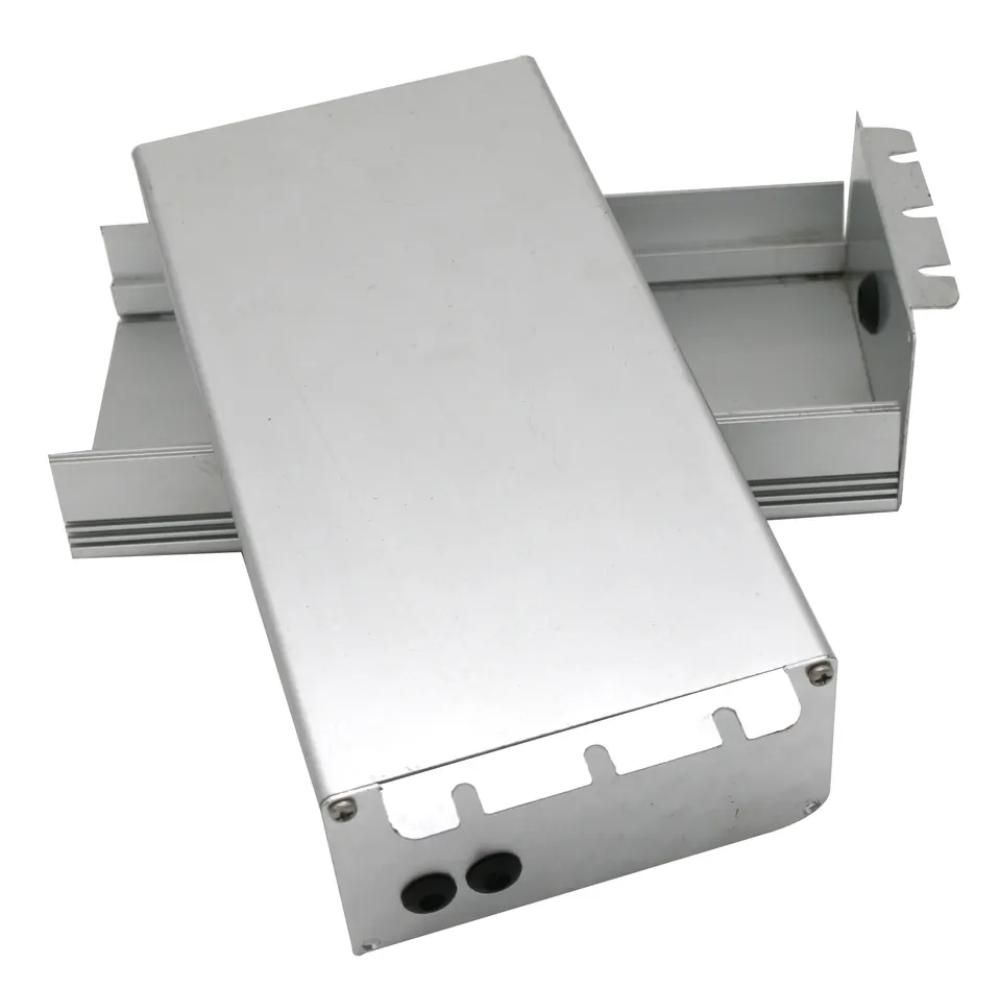
This is the bread-and-butter application. Thin-sheet butt welding, fillet welding, and lap welding are all handled with high efficiency and minimal deformation. Electrical enclosures, control panels, and machine housings that previously required hours of TIG welding can now be completed in minutes — with better cosmetic results and no post-weld finishing.

5.2 Kitchenware and Sanitaryware

Stainless steel sinks, cookware, and faucets demand welds that are not only strong but visually flawless — consumers do not want to see weld seams on their kitchen sink. Handheld laser welding delivers smooth, polished-quality welds that often require zero post-weld treatment, making it ideal for this high-volume, appearance-critical industry.

Aluminum Welding

5.3 Automotive Manufacturing and Repair

From body panel welding on the production line to battery housing assembly and in-field component repair, the automotive sector benefits from the technology’s combination of speed and precision. The low heat input is particularly valuable when working near heat-sensitive components or thin-gauge automotive panels.

Figure 10. Automotive applications range from body panel welding to battery housing assembly and component repair.

5.4 Mold Repair and New Energy

Two rapidly growing niches deserve special mention. In mold repair, the laser’s minimal heat-affected zone means damaged molds can be buildup-welded and refurbished without risking distortion or metallurgical damage to the precision substrate. In the new energy sector, lithium battery case sealing and battery module busbar welding demand the exact combination of deep penetration, narrow HAZ, and high speed that handheld fiber laser welding uniquely provides.

Welding of Copper Materials

6. Conclusion: The Future Is in Your Hands

The core principle is elegantly simple: a fiber laser generates high-energy-density 1080nm light, which travels through a flexible fiber to a handheld wobble head, where it is focused into a microscopic spot that instantly melts or vaporizes metal to form a keyhole. As the beam moves, the molten metal solidifies behind it into a high-strength weld. The wobble mechanism widens the seam and forgives the imprecision of human hands.

But the implications are profound. Handheld fiber laser welding democratizes a process that was once the exclusive domain of highly trained specialists and expensive stationary equipment. It enables small and medium-sized fabrication shops to achieve weld quality and throughput that were previously accessible only to large industrial operations. It opens new possibilities in materials joining, product design, and repair workflows that were constrained by the limitations of traditional welding.

As fiber laser technology continues to advance — with higher efficiencies, smaller footprints, and smarter control systems — handheld laser welding will only become more capable, more affordable, and more widely adopted. For fabricators, manufacturers, and engineers looking to upgrade their welding capabilities, the message is clear: the future of welding is not stationary, not automated, and not behind a safety curtain. It is right there in your hands.

LNX Equipment specializes in handheld fiber laser welding solutions for professional fabricators. Visit lnxequipment.com to explore our product range and technical resources.

View the LNX Series of Handheld Laser Welding Machines

Leave a Reply

Your email address will not be published. Required fields are marked *