


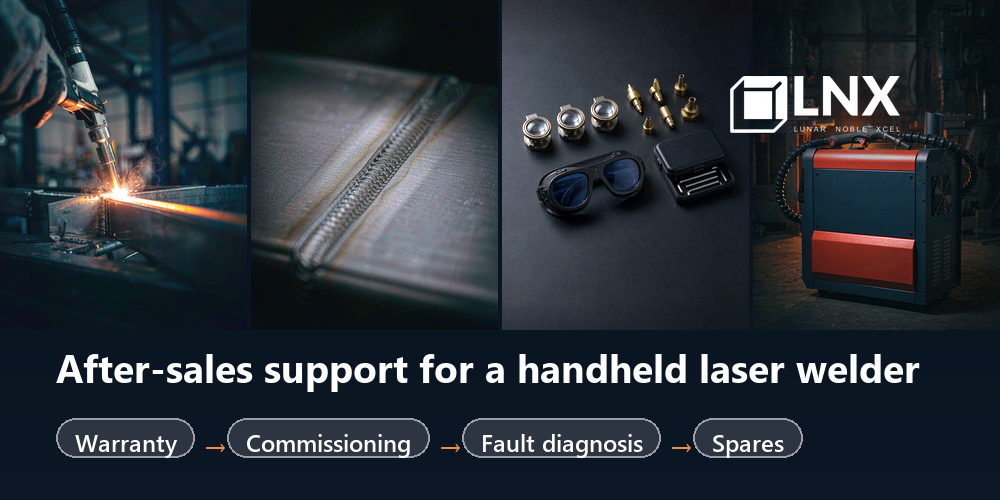

LNX After-Sales Support: What Happens After You Pay for a Handheld Laser Welder
A practical buyer guide to handheld laser welder warranty scope, remote commissioning, fault diagnosis, spare parts, response channels and maintenance.
How to Choose a Handheld Laser Welding Machine: 2026 Guide
Start with the work, not the wattage. A practical selection framework covering material, thickness, joint design and production duty, with K, M, F and S series positioning and a pre-quotation self-check.

Handheld Laser Welding Efficiency: The 5-Step Playbook 2026
Travel speed is not efficiency. This 5-step playbook measures total cycle time per accepted part, finds the real constraint, and covers the metrics that matter, the five welding modes, operator qualification and the real limits of no-grind welding.
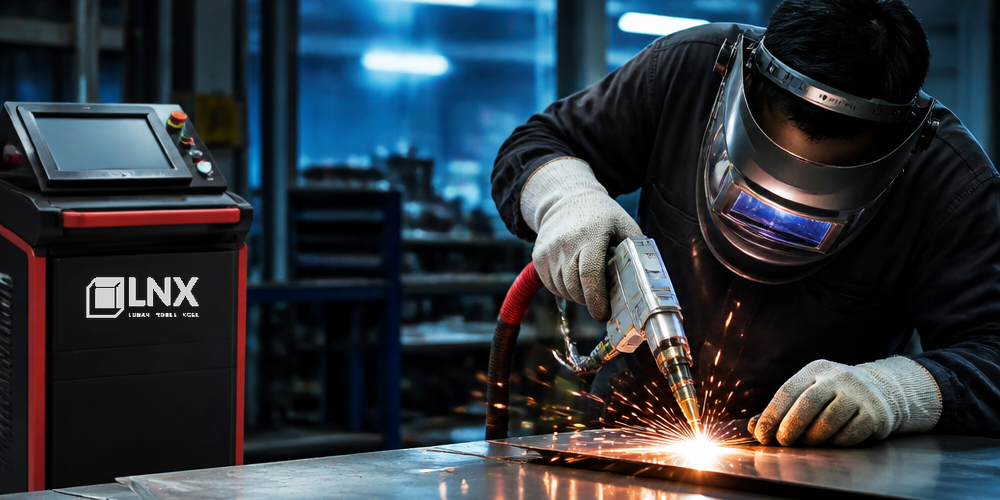
Handheld Laser Welding Cost: The 7-Part TCO Framework 2026
Most shops start by asking what the machine costs. This 7-part TCO framework compares cost per accepted meter instead, covering installation, labor, energy, consumables, maintenance, rework and safety, with a worked example and a 14-day data plan.
Handheld Fiber Laser Welding Machine: Wire Feeder Systems—Single, Double, and Quad Configurations Explained
The wire feeder is process-critical, not an accessory. Compare single-wire, stepper double-wire and quad-wire systems: what each does, where each breaks down, and how to match the feeder to your joint gaps and thickness.
Handheld Fiber Laser Welding vs. TIG Welding
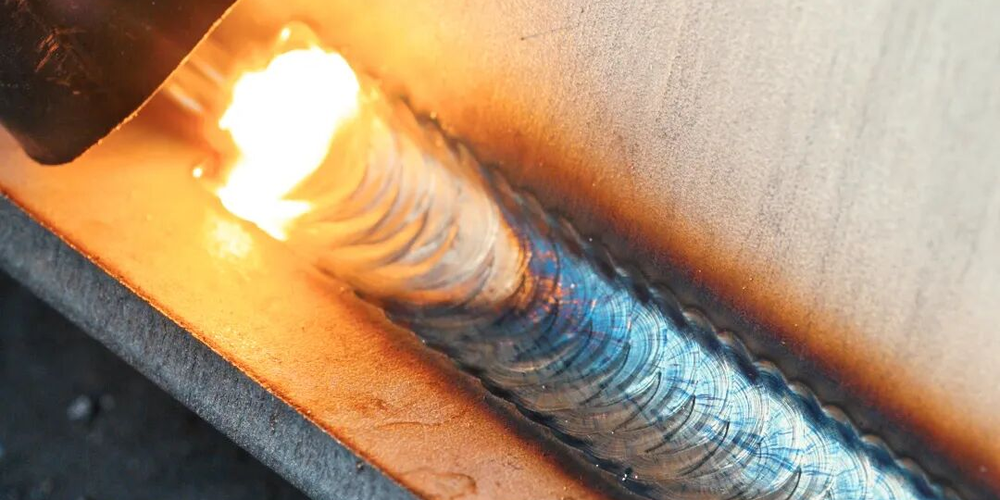
Five technical differences separating handheld fiber laser welding from TIG: speed, weld quality, learning curve, energy and consumables, and heat-affected zone, plus the ROI reality and when TIG still wins.
Introduction to the working principle of laser welding and related information
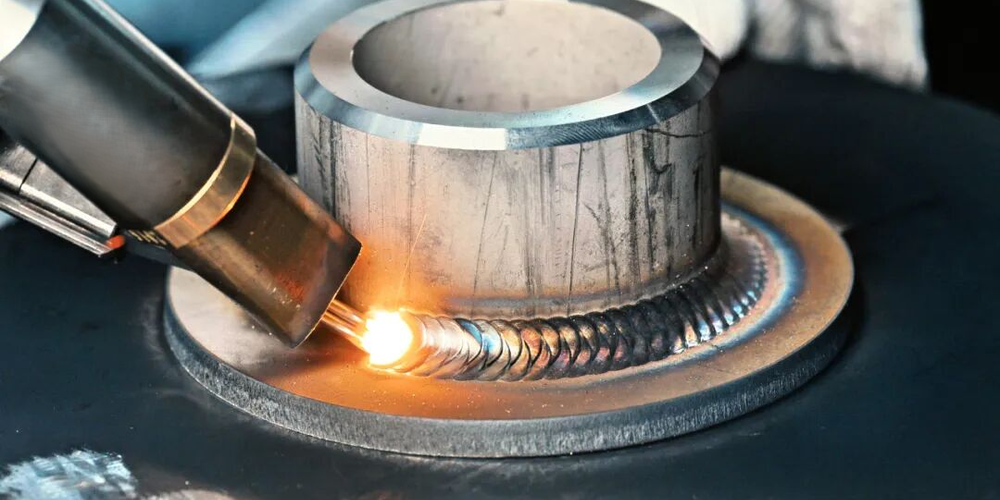
How handheld fiber laser welding actually works: fiber laser physics, the four-step stimulated emission process, the wobble welding head, shielding gas and wire feed, and how it differs from traditional welding.
In which work scenarios can a handheld fiber laser welding machine improve efficiency and save labor?
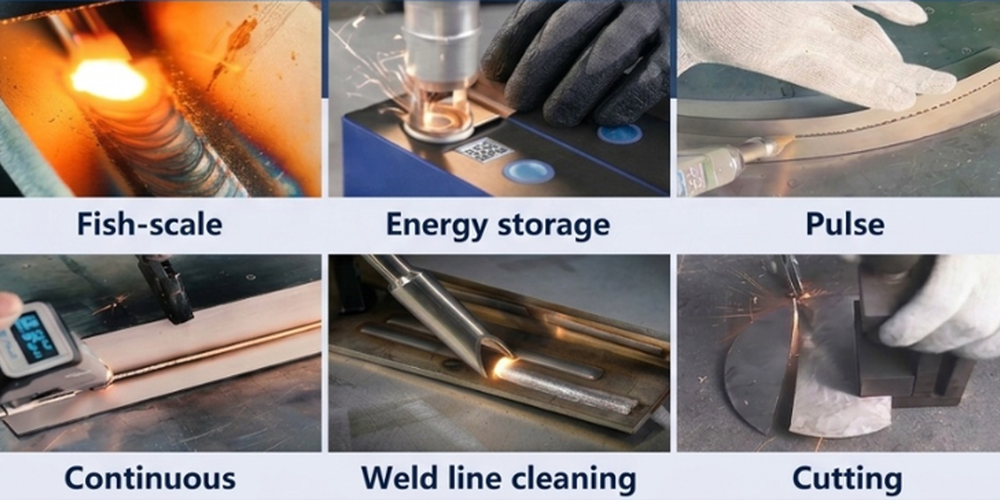
Six working conditions where handheld laser welding fits best, from 0.4-4mm thin-sheet precision welding to large workpieces, plus power matching, industry cases and the objective application boundaries.